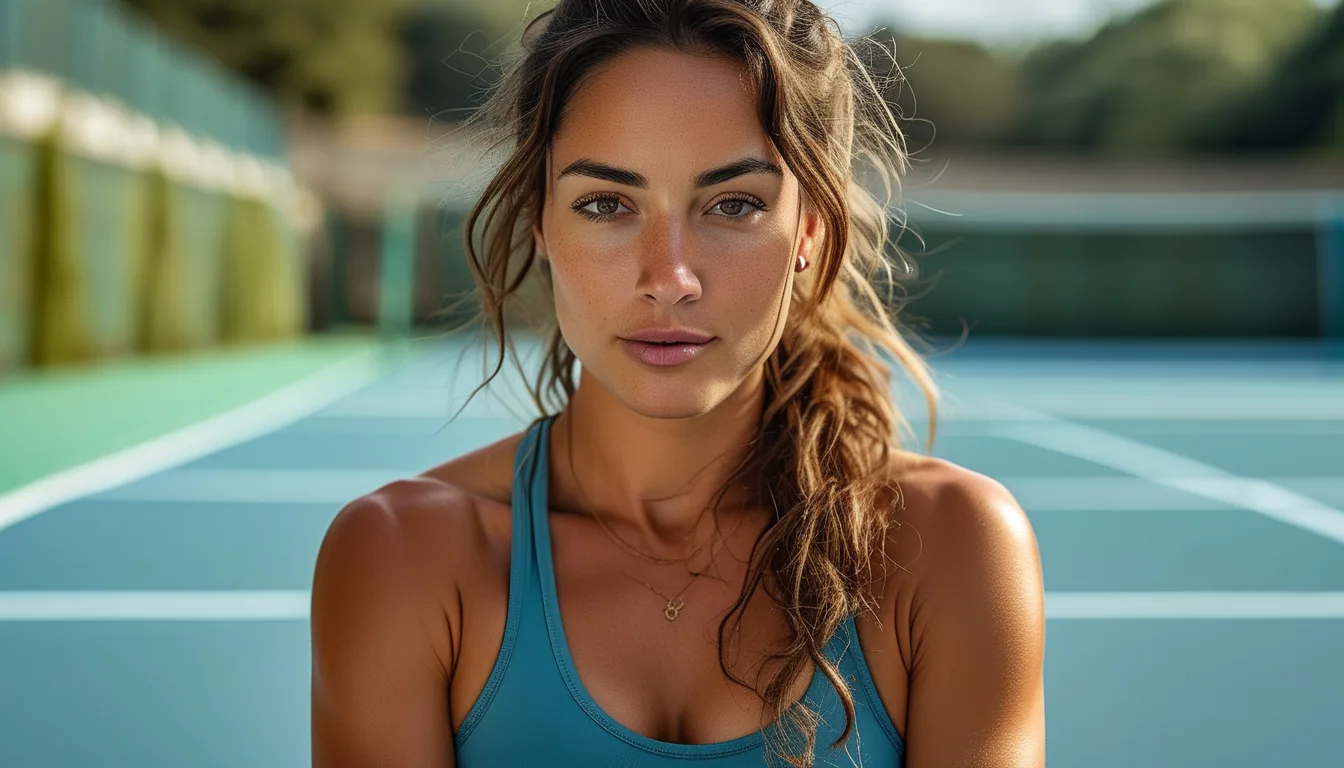
Why Tenniscore Outfits Look Flat Without at Least Two Different Fabric Textures
A tenniscore outfit built entirely from smooth, uniform fabric pieces often ends up looking more like a costume than a styled outfit, because the look actually depends on mixing at least a couple of distinct textures — something an all-matching, single-texture set can’t provide on its own.
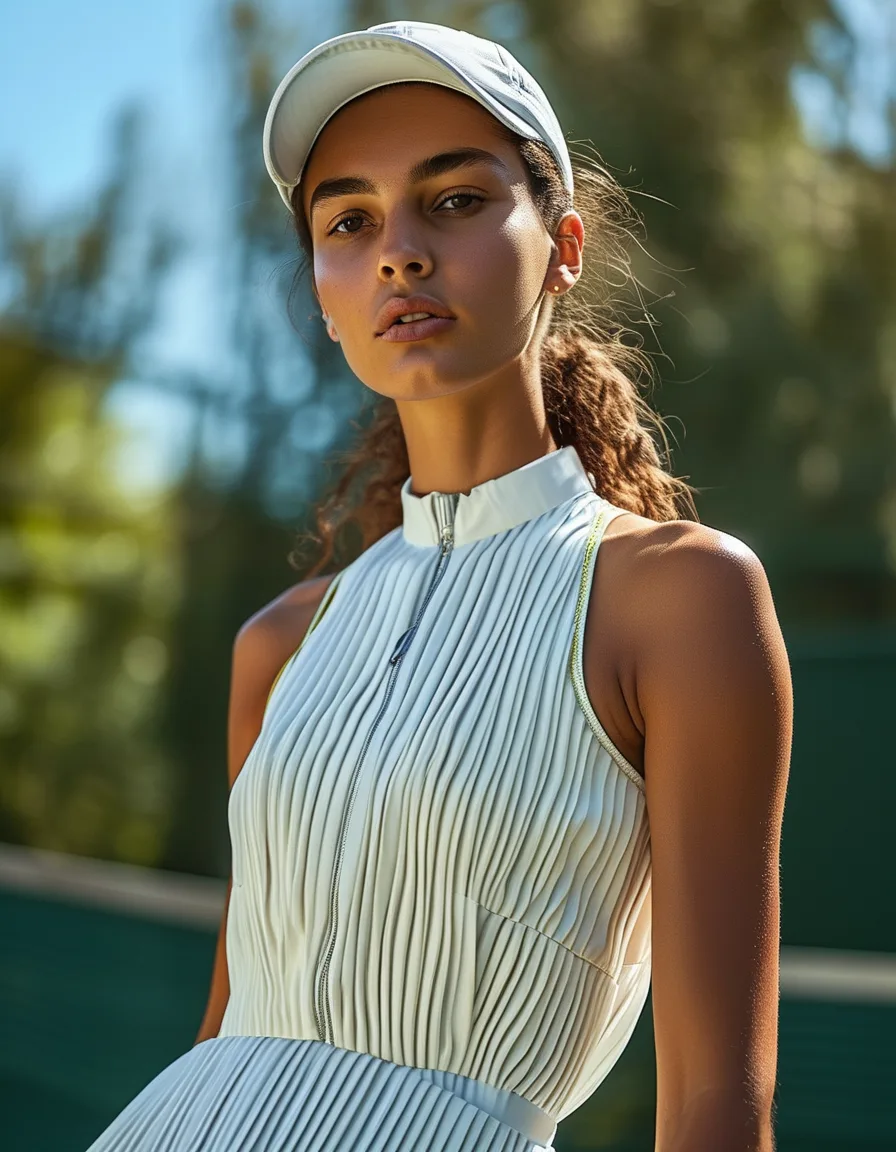
Why an All-Matte or All-Smooth Tenniscore Look Reads as Costume-Like Rather Than Styled
The flatness problem: the a-single-uniform-texture-across-an-entire-outfit-reads-visually-as-one-flat-block (the the eye perceiving a lack of texture variation as simplicity bordering on uniform-like flatness — the uniform-texture-reads-as-flat-block), the the-tenniscore-specifically-draws-from-a-mix-of-pleats-ribbing-and-smooth-technical-fabric-historically (the the aesthetic’s actual reference points including textural variety as a core feature, not an accessory to it — the tenniscore-references-include-textural-variety), the the-a-matching-set-in-one-fabric-alone-misses-that-textural-layering-that-defines-the-look (the a technically coordinated outfit still missing the specific visual complexity the aesthetic depends on — the matching-set-alone-misses-textural-layering), and the reframe (flatness in a tenniscore outfit tracing back to a missing textural element, not a color or coordination problem)).
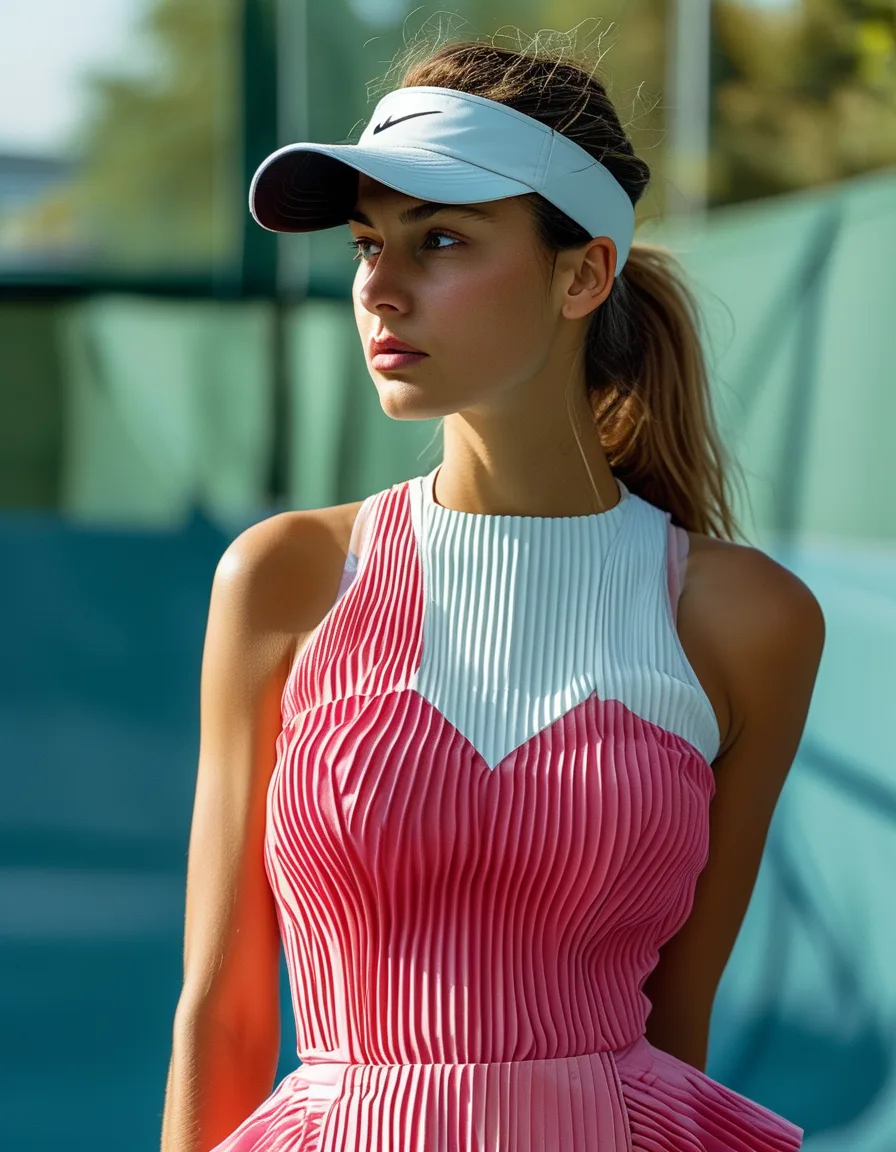
The Specific Texture Pairing That Fixes It
What actually works: the pair-a-pleated-piece-like-a-skirt-with-a-ribbed-or-cable-knit-top (the a classic textural contrast that’s core to the aesthetic’s reference points — the pleated-skirt-with-ribbed-top-pairing), the the-add-one-smooth-technical-fabric-piece-like-a-jacket-to-contrast-against-the-textured-pieces (the a third texture creating visual layering rather than a flat two-note look — the smooth-technical-piece-adds-third-layer), the the-limit-the-mix-to-two-or-three-distinct-textures-rather-than-piling-on-more (the too much textural variety becoming visually busy rather than intentional — the limit-to-two-or-three-textures), and the frame (pairing pleats with ribbing, adding one smooth technical layer, and capping it at two to three textures total — a specific formula rather than random mixing).
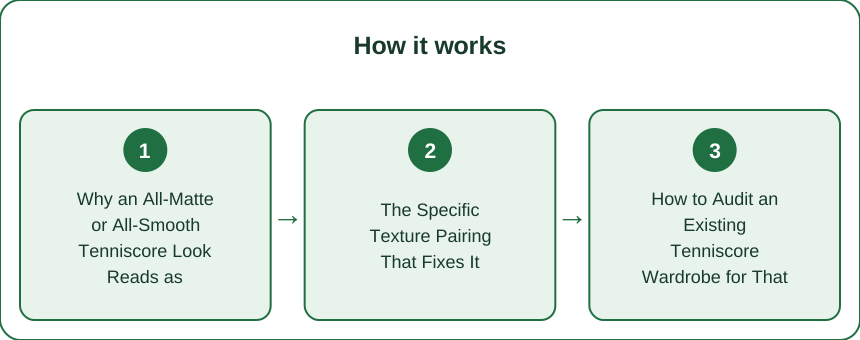
How to Audit an Existing Tenniscore Wardrobe for That Mix Instead of Just Buying More Pieces
The audit process: the lay-out-current-tenniscore-pieces-and-sort-by-texture-category-rather-than-by-color-or-item-type (the categorizing an existing collection along the dimension that actually matters for this specific fix — the sort-by-texture-not-color-or-type), the the-identify-whether-one-texture-category-is-significantly-overrepresented (the spotting an imbalance, like owning only smooth technical pieces, as the actual gap — the identify-overrepresented-texture-category), the the-buy-specifically-to-fill-the-missing-texture-category-rather-than-adding-more-of-what-already-exists (the a targeted purchase addressing the identified gap instead of general wardrobe expansion — the buy-to-fill-gap-not-expand-generally), and the frame (sorting by texture, identifying the overrepresented category, and buying specifically to fill the missing one — an audit that fixes flatness with fewer, more targeted purchases).
An all-matte or all-smooth tenniscore outfit often reads as costume-like rather than styled, since a single uniform texture across an entire look reads visually as one flat block, while the aesthetic’s actual reference points draw from a mix of pleats, ribbing and smooth technical fabric that a single-texture matching set simply doesn’t provide. The fix is pairing a pleated piece like a skirt with a ribbed or cable-knit top, adding one smooth technical layer like a jacket for a third contrasting texture, and capping the mix at two to three distinct textures total so it reads as intentional rather than busy. Audit an existing tenniscore wardrobe by sorting pieces by texture category rather than color or item type, identifying whether one category is significantly overrepresented, and buying specifically to fill the missing texture rather than adding more of what’s already there.
See It in Motion
Seen here: UPF 50+ Adjustable A-Line Running Skort with Pockets — shop it on bubblelime.com
Keep Reading
This article is for general informational and styling purposes only. Fit, sizing, and product availability may vary.